
 Get a Quote
Mercedes Car Airmatic Valve - ML350 Airmatic Valve Block

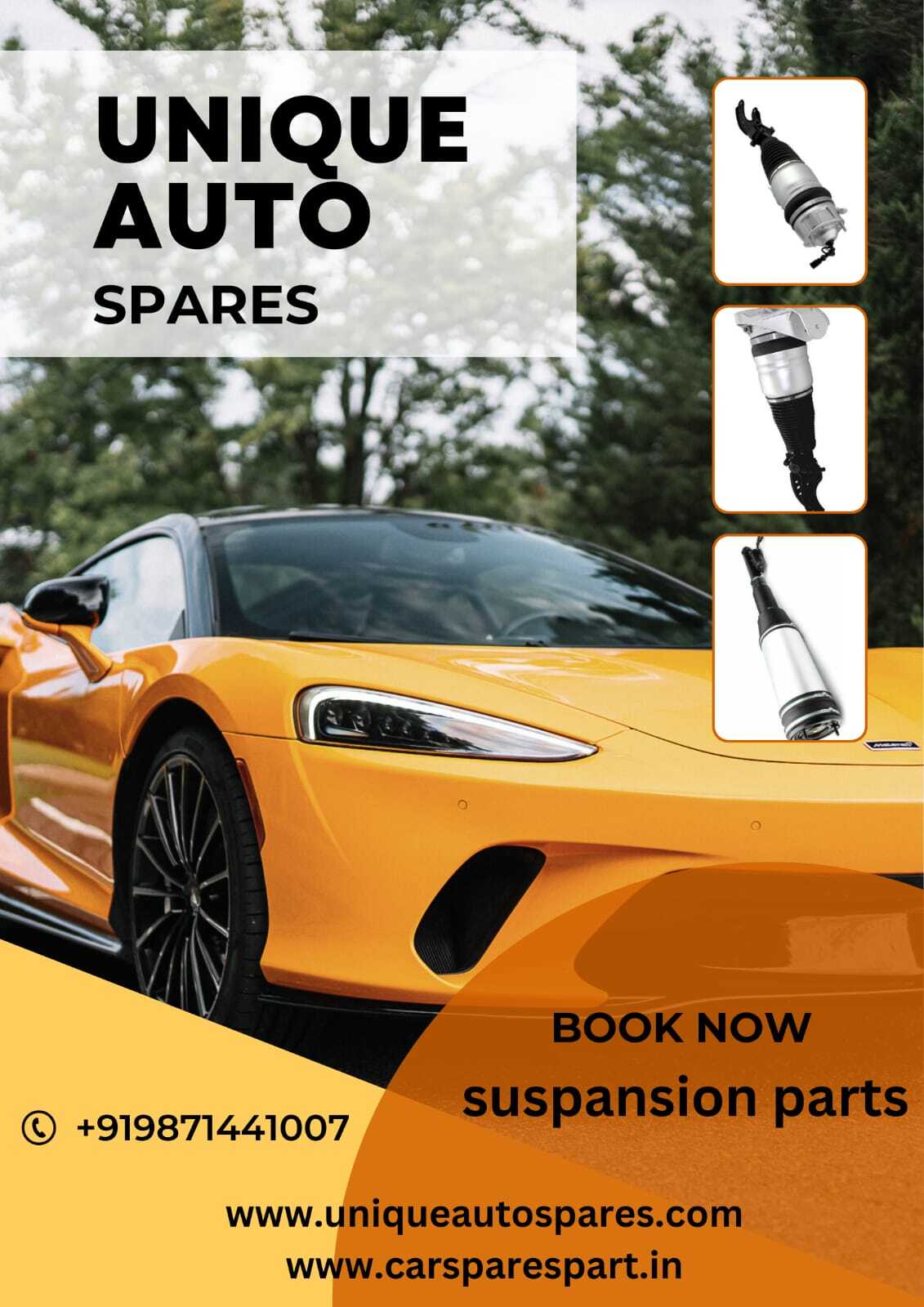


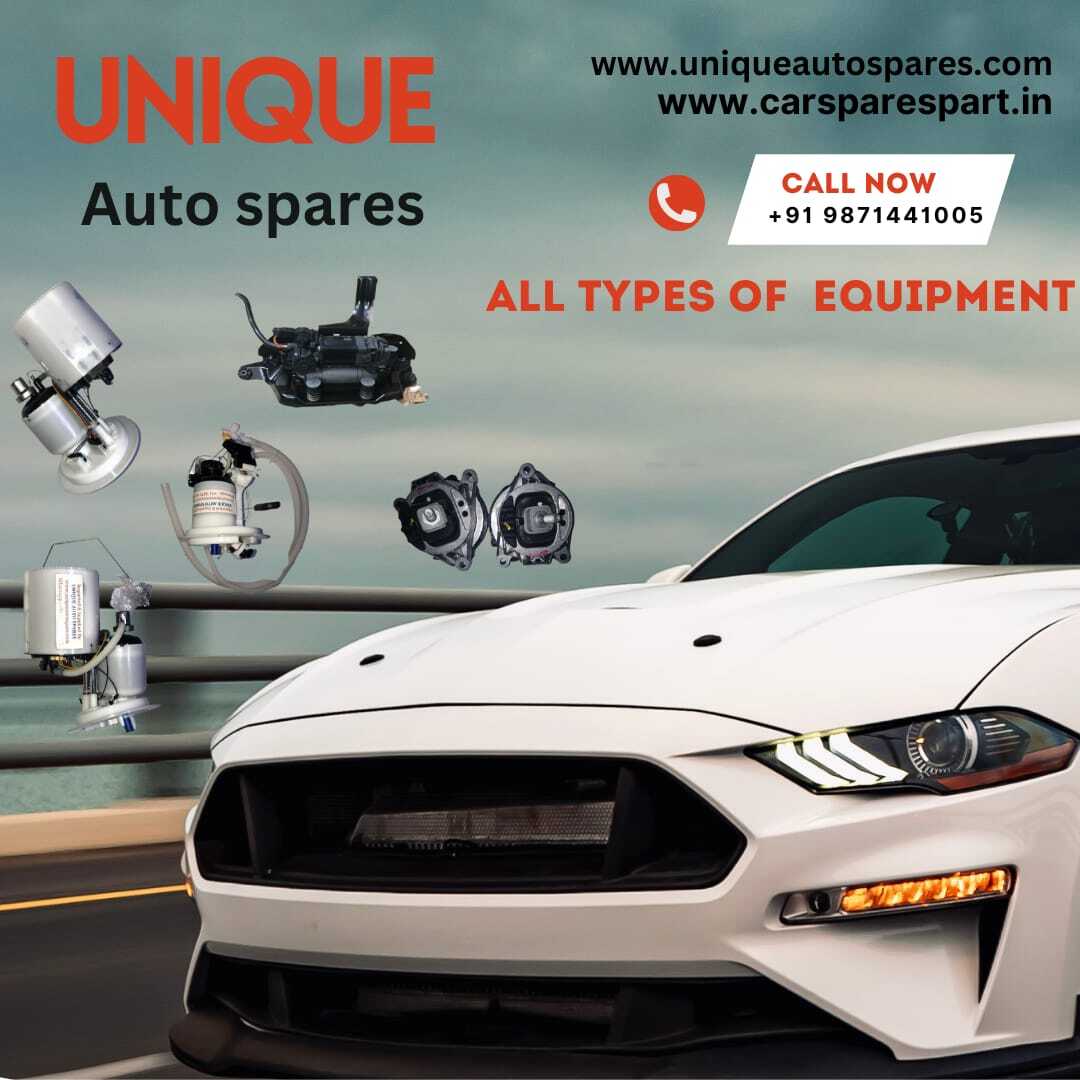
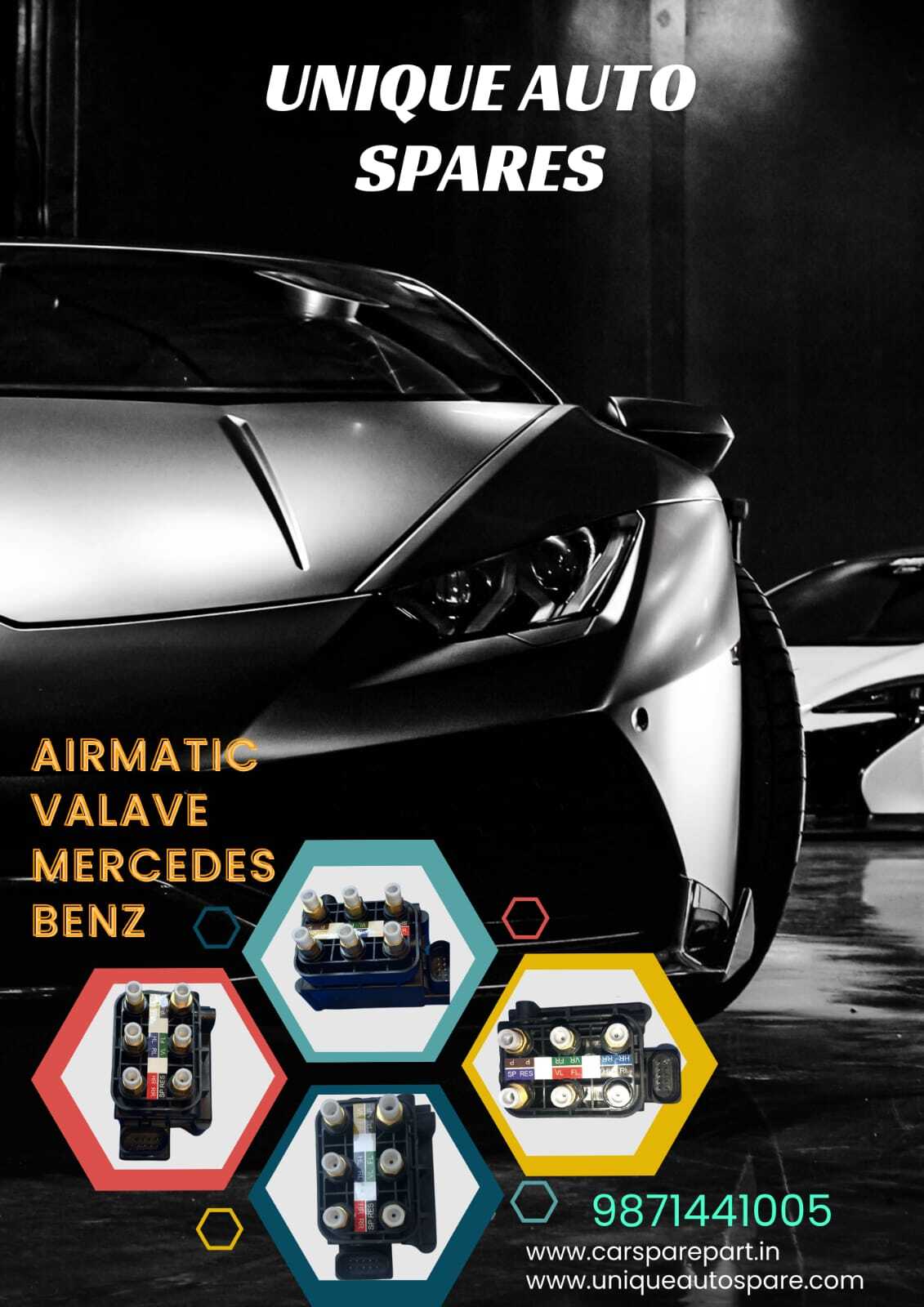

Mercedes Car Airmatic Valve - ML350 Airmatic Valve Block Specification
- Weight
- 2 Kilograms (kg)
- Material
- Plastic
- Working Life
- Long Years
- Warranty
- Working
- For Use In
- Car
- Product Type
- Mercedes Car Airmatic Valve - ML350 Airmatic Valve Block
- Model No
- 545646554
- Color
- Black
- Dimension (L*W*H)
- 2*2*2 Foot (ft)
Mercedes Car Airmatic Valve - ML350 Airmatic Valve Block Trade Information
- Minimum Order Quantity
- 15 Pieces
- Supply Ability
- 1000 Pieces Per Day
- Delivery Time
- 1 Days
- Packaging Details
- Cardboard box and cover with sack
- Main Domestic Market
- All India
About Mercedes Car Airmatic Valve - ML350 Airmatic Valve Block
In Mercedes-Benz vehicles, the "Airmatic valve" refers to various components within the Airmatic suspension system that help regulate air pressure and control the vehicle's ride height and damping characteristics. Here are the key components and their functions:
Components of Airmatic System
-
Air Suspension Struts:
- These are the primary components that replace traditional coil springs. They contain air springs and shock absorbers (dampers) integrated into a single unit. The air springs provide support, while the shock absorbers control damping.
-
Airmatic Valves:
- Level Sensors: These sensors detect the vehicle's ride height and send signals to the control module.
- Valve Blocks: Control the flow of compressed air to each air spring. They regulate the air pressure within the air springs based on the signals received from the control module and sensors.
- Compressor and Air Reservoir: The compressor pressurizes air and stores it in a reservoir. It then distributes this air to the air springs through the valve blocks.
- Pressure Sensors: Monitor the air pressure within the system to ensure optimal performance and operation.
Functionality and Operation
-
Adjustable Ride Height: The Airmatic valves and control system allow the vehicle's ride height to be adjusted. This adjustment can be automatic, based on driving conditions, or manually selected by the driver through different driving modes.
-
Adaptive Damping: The Airmatic valves control the flow of air to the shock absorbers, adjusting the damping characteristics of the suspension. This helps improve ride comfort and handling by responding dynamically to road conditions and driving style.
-
Electronic Control Unit (ECU):
- The ECU processes data from various sensors (such as level sensors and pressure sensors) to continuously adjust the air pressure in the system.
- It also integrates with the vehicle's overall control system to provide a seamless driving experience.
Maintenance and Troubleshooting
-
Maintenance: Regular inspection and maintenance of the Airmatic system components are essential to ensure reliable operation. This includes checking for leaks, inspecting valve blocks and hoses for wear, and ensuring proper air pressure in the system.
-
Common Issues: Issues with Airmatic valves or components can lead to symptoms such as uneven ride height, suspension faults, or warning messages on the instrument cluster. These should be diagnosed and repaired by a qualified technician familiar with Mercedes-Benz Airmatic systems.
In summary, the Airmatic valve in Mercedes-Benz vehicles is part of a sophisticated air suspension system that enhances ride comfort, handling, and versatility. It regulates air pressure and adjusts damping characteristics to adapt to varying driving conditions and ensure optimal performance. Regular maintenance and proper repair procedures are crucial to maintain the functionality and longevity of the Airmatic system in your Mercedes-Benz car.
Precision Engineering for Superior Suspension
Crafted with high-quality plastic, the ML350 Airmatic Valve Block achieves optimal regulation of air suspension. Its thoughtful design ensures your Mercedes receives responsive and balanced handling. Designed for both vehicle manufacturers and service professionals, this part integrates seamlessly, promoting overall vehicle stability.
Adaptable and Reliable Across Multiple Sectors
Whether you're a dealer, importer, or service provider, this Airmatic Valve Block is developed to meet the rigorous demands of the automotive industry in Germany. It is suitable for various supply chain stages, ensuring that your customers receive a dependable and long-lasting product.
FAQ's of Mercedes Car Airmatic Valve - ML350 Airmatic Valve Block:
Q: How does the Airmatic Valve Block benefit my Mercedes ML350?
A: The Airmatic Valve Block ensures precise regulation of air suspension, enhancing your ML350's ride comfort, handling, and overall driving experience by maintaining proper vehicle height and balance.Q: What is the installation process for the ML350 Airmatic Valve Block?
A: Installation typically involves removing the old valve block and replacing it with the new one in the vehicle's air suspension system. Professional installation is recommended for optimal performance and safety.Q: When should I consider replacing the Airmatic Valve Block on my car?
A: Replace the valve block if you notice persistent suspension faults, uneven vehicle height, or air leaks. Regular inspection during routine maintenance is advisable, especially after several years of use.Q: Where can I purchase the Mercedes Airmatic Valve Block for the ML350?
A: You can obtain this valve block through authorized dealers, distributors, wholesalers, or online retailers throughout Germany. It is also available from exporters and direct from manufacturers.Q: What is the working life and warranty provided for this product?
A: The ML350 Airmatic Valve Block is designed for long years of reliable service. It comes with a working warranty that covers defects and ensures proper functionality during its expected service life.Q: How is the Airmatic Valve Block maintained for optimal performance?
A: Routine vehicle servicing with attention to the air suspension system will help ensure optimal performance. Periodic checks for air leaks and system diagnostics contribute to prolonged valve block life.Q: What material is used in the ML350 Airmatic Valve Block, and why?
A: This valve block is crafted from durable black plastic, chosen for its resilience, lightweight properties, and ability to withstand the demanding conditions within automotive suspension systems.- Minimum Order Quantity
- 15 Pieces
- Supply Ability
- 1000 Pieces Per Day
- Delivery Time
- 1 Days
- Main Domestic Market
- All India
 Get Latest Price
Tell us about your requirement

Price:
Quantity
Select Unit
- 50
- 100
- 200
- 250
- 500
- 1000+
Additional detail
Mobile number
Email

More Products in Mercedes Car Air Suspension - Airmatic Shocker for Mercedes Benz Cars Category
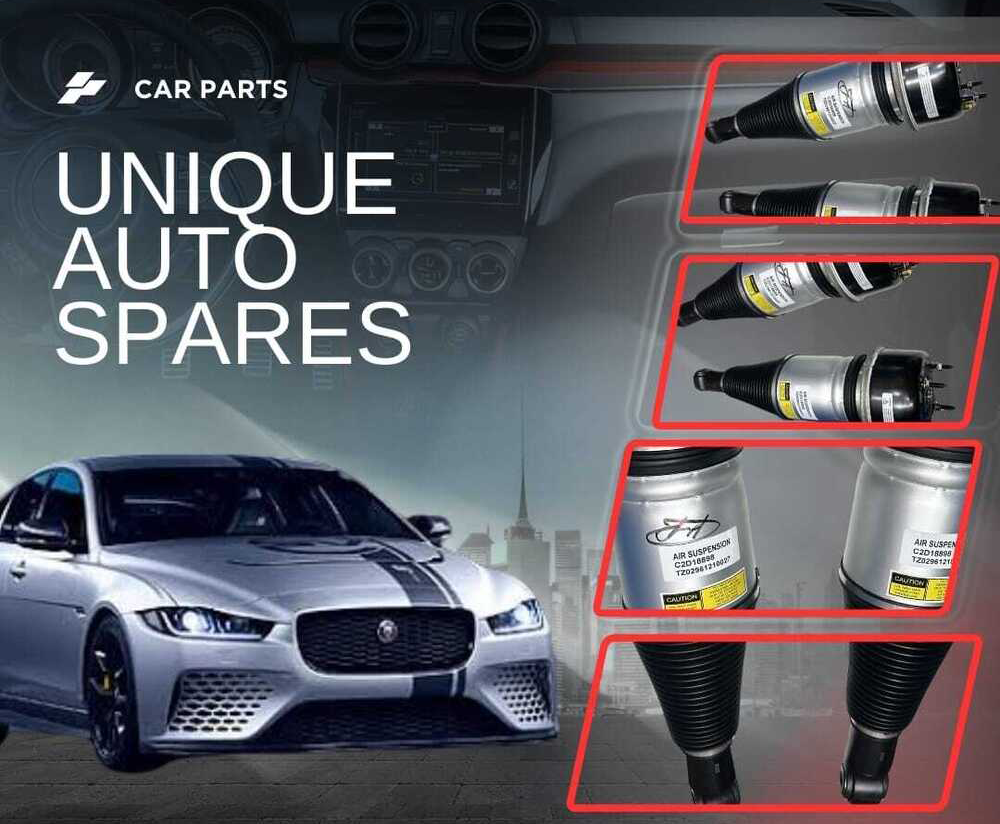
car shock absorber
Price 5500 INR / Box
Minimum Order Quantity : 1 Box
Warranty : 1 yers
Product Type : Car Shock Absorber
Color : Silver/Black Finish
Working Life : 5 yers
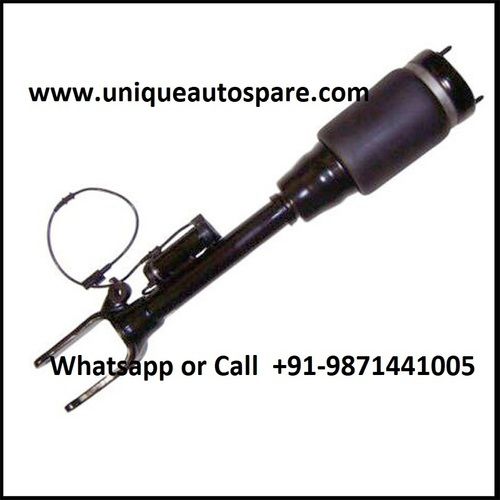
Mercedes ML350/GL350 Front Airmatic Shockers and Balloons
Minimum Order Quantity : 15 Pieces
Warranty : Working
Product Type : Mercedes ML350/GL350 Front Airmatic Shockers and Balloons
Color : Black
Working Life : Long Years
Auto parts
Price 4500 INR / Box
Minimum Order Quantity : 1 Bottle
Warranty : Working
Product Type : auto parts
Color : White
Working Life : Long Years
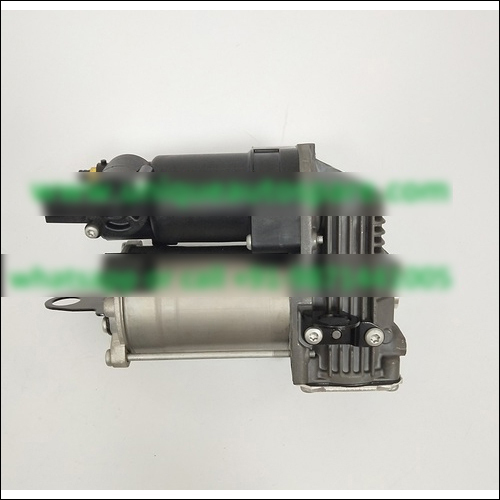
AIRMATIC PUMP Mercedes W221 S Class
Price 111 INR / Piece
Minimum Order Quantity : 1 Piece
Warranty : 1 yers
Product Type : AIRMATIC PUMP Mercedes W221 S Class
Color : Black
Working Life : 5 yers Week

Contact Us

- J-99, A R D Complex, R K Puram,New Delhi - 110066, India
- Phone :08045804095

- Mr Khalid Masood (Proprietor)
- Mobile :08045804095
- Send Inquiry
 Send Inquiry



Our Products
- Volvo Car Arm
- Volvo Car Suspansion Arm
- Luxury Car Parts
- BMW Car Parts
- Audi Car Parts, Audi Spare Parts & Audi Car Accessories
- German Car Parts, German Car Spare Parts & German Parts
- BMW Car Parts, BMW Car Spare Parts and BMW Car Accessories
- Jaguar Car Parts
- Mitsubishi Parts
- Honda Parts
- Land Rover Parts Suppliers - Range Rover Spare Parts
- Range Rover Parts
- Mercedes Car Air Suspension - Airmatic Shocker for Mercedes Benz Cars
- BMW Car Water Pump
- Volvo Car Parts and Volvo Car Spare Parts
- Mercedes Car Parts - Spare Parts for Mercedes - Mercedes Body Parts
- BMW Air Suspension Parts
- Car Airmatic Shocker Suspension
- Car Airmatic Pump & Air Suspension Pump
- Mercedes Car Parts - Spare Parts for Mercedes Benz Car
- Car Radiator Fan
- BMW Genuine Car Parts
- Airmatic Shock Absorbers
- Car Airmatic Shocker Balloons - Air Springs
- Car AC Compressor
- Original Car Parts Suppliers
- Mercedes Car Water Pump
- Car Oil Cooler
- Car ABS Sensor
- Car Fuel Pump - Diesel Pump
- Car Airmatic Valve - Air Suspension Valve Block
- Car Coolant Bottle and Car Water Bottle
- Luxury Car Brake Pad - Brake Disc Pads for Luxury Cars
- Mercedes Part Fuel pump
- Car Air Suspension - Airmatic shocker - Airmatic Shocker Balloon
- Car 12V Battery
- Track Lower Control Arm - Car Lower Arm & Car Upper Arms
- Car Alternator - Car AC Compressor - Car Air Conditioning Parts
- Car Air blower - AC Blower Fan
- Mercedes Car Used Parts
- BMW Used Car Parts
- Audi Q7 Air Suspension - Audi Q7 Engine Parts & Au
- Porsche Car Parts & Porsche Spare Parts Dealer
- Car Shocker
- BMW X1 Front Shoker
- BMW car Shocker
- BMW Car Shocker
- BMW Car shocker
- Mecedes Benz Car Shocker
 Send Inquiry
 Send SMS

Developed and Managed by Infocom Network Private Limited.

