
 Get a Quote
BMW Fuel Pump
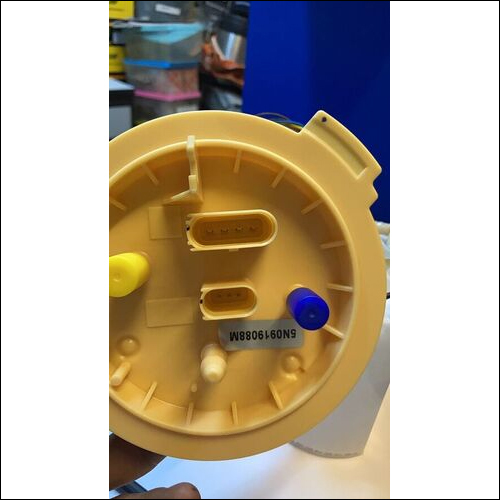
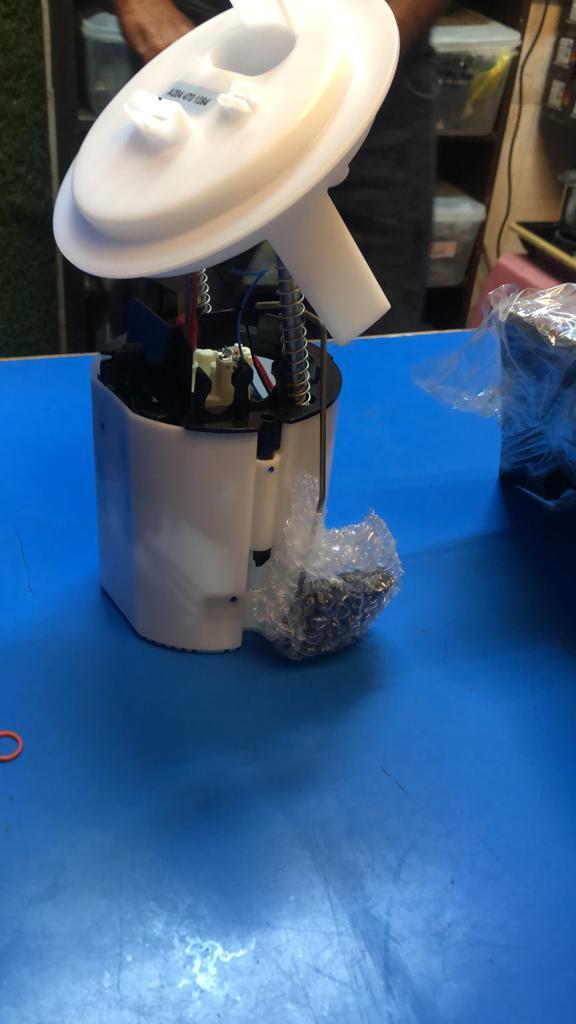
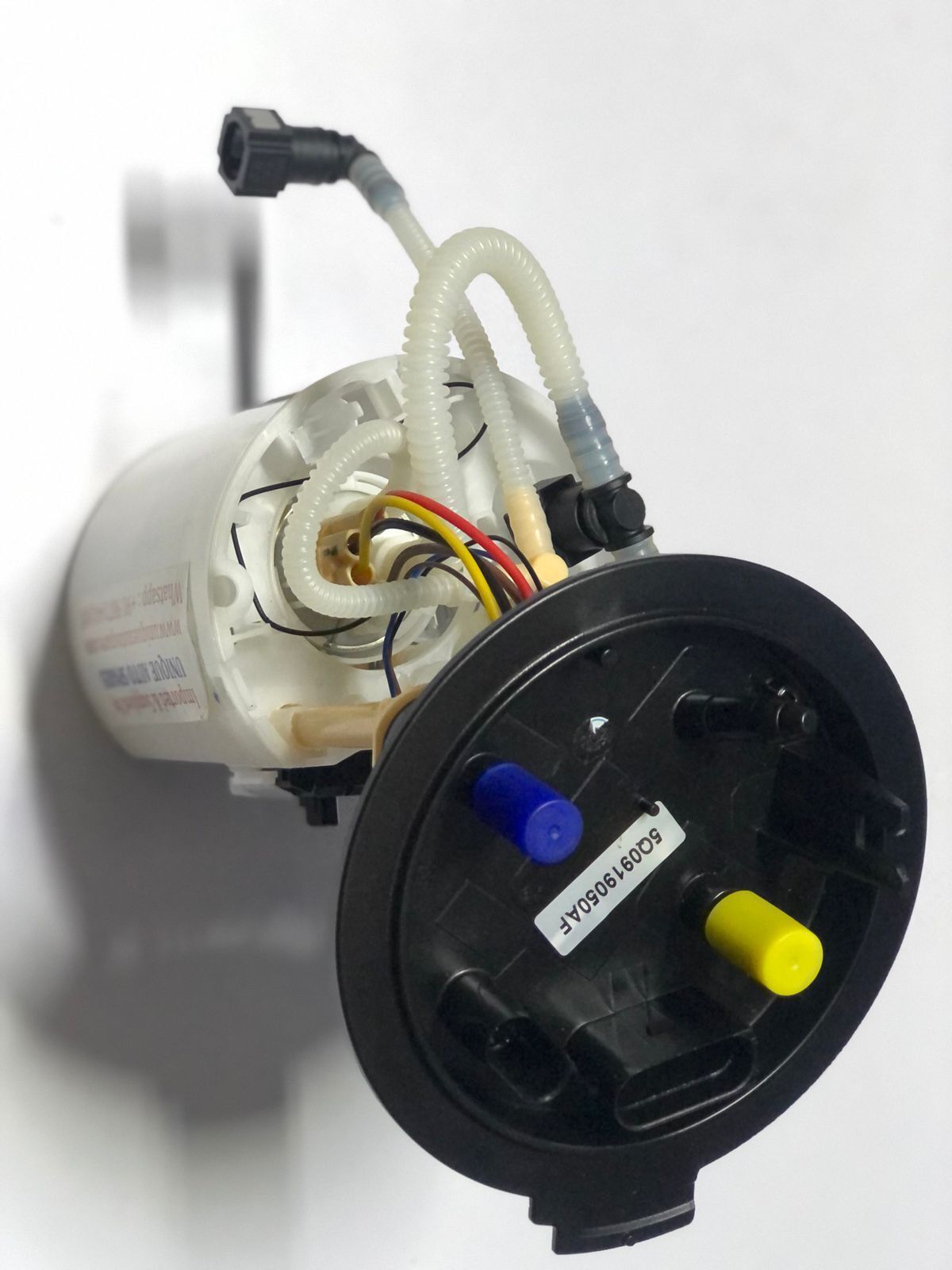
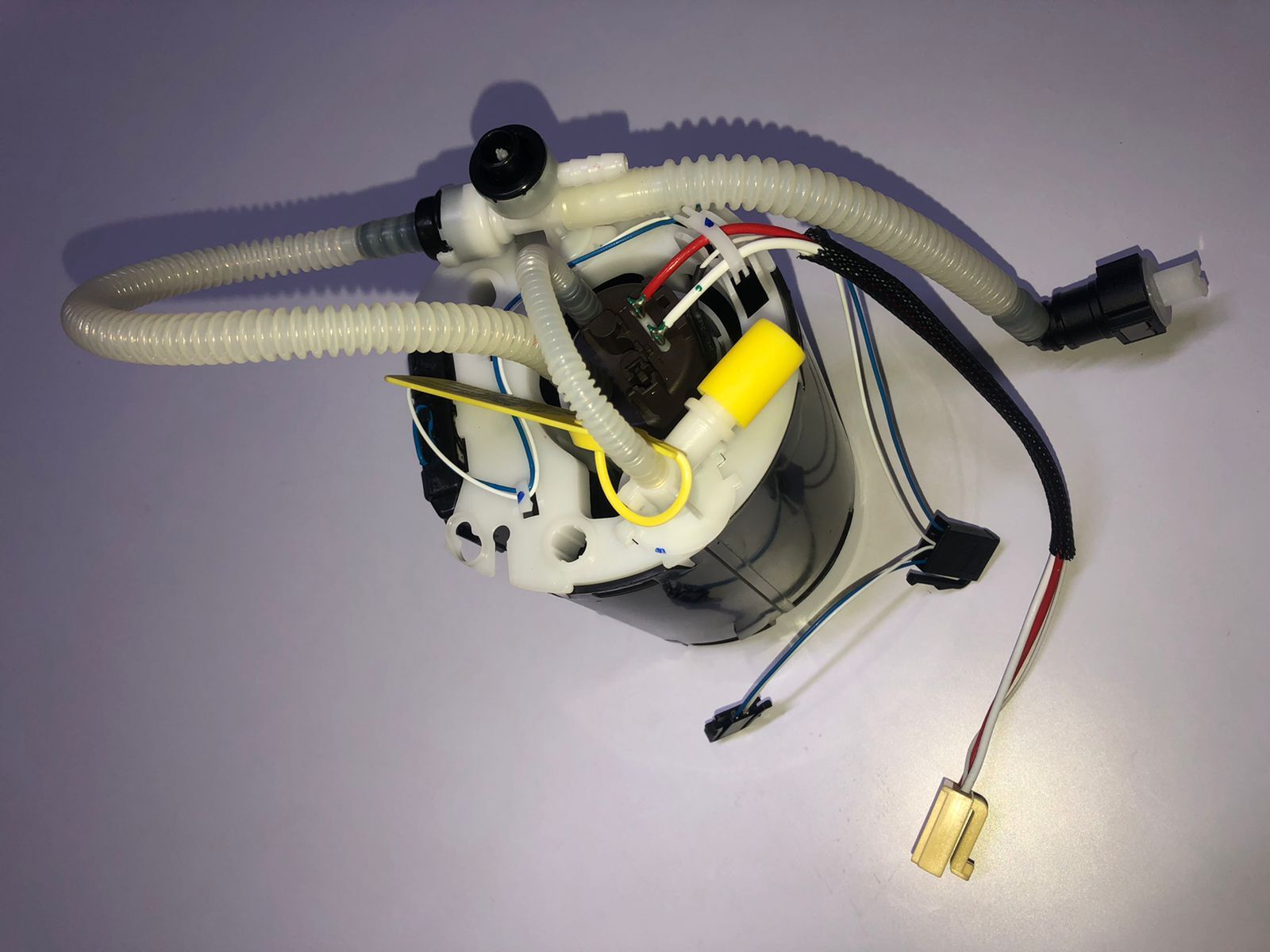
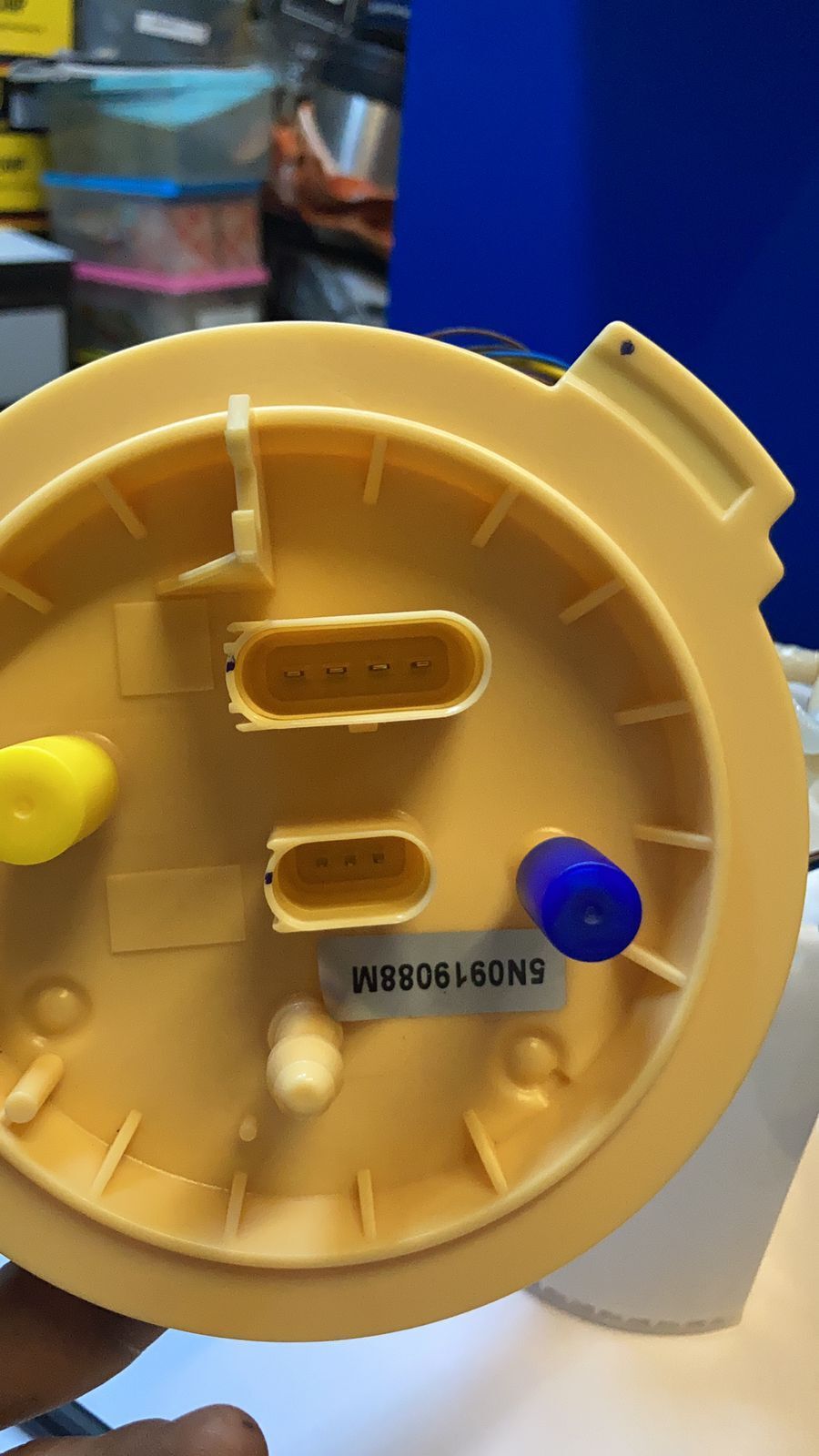
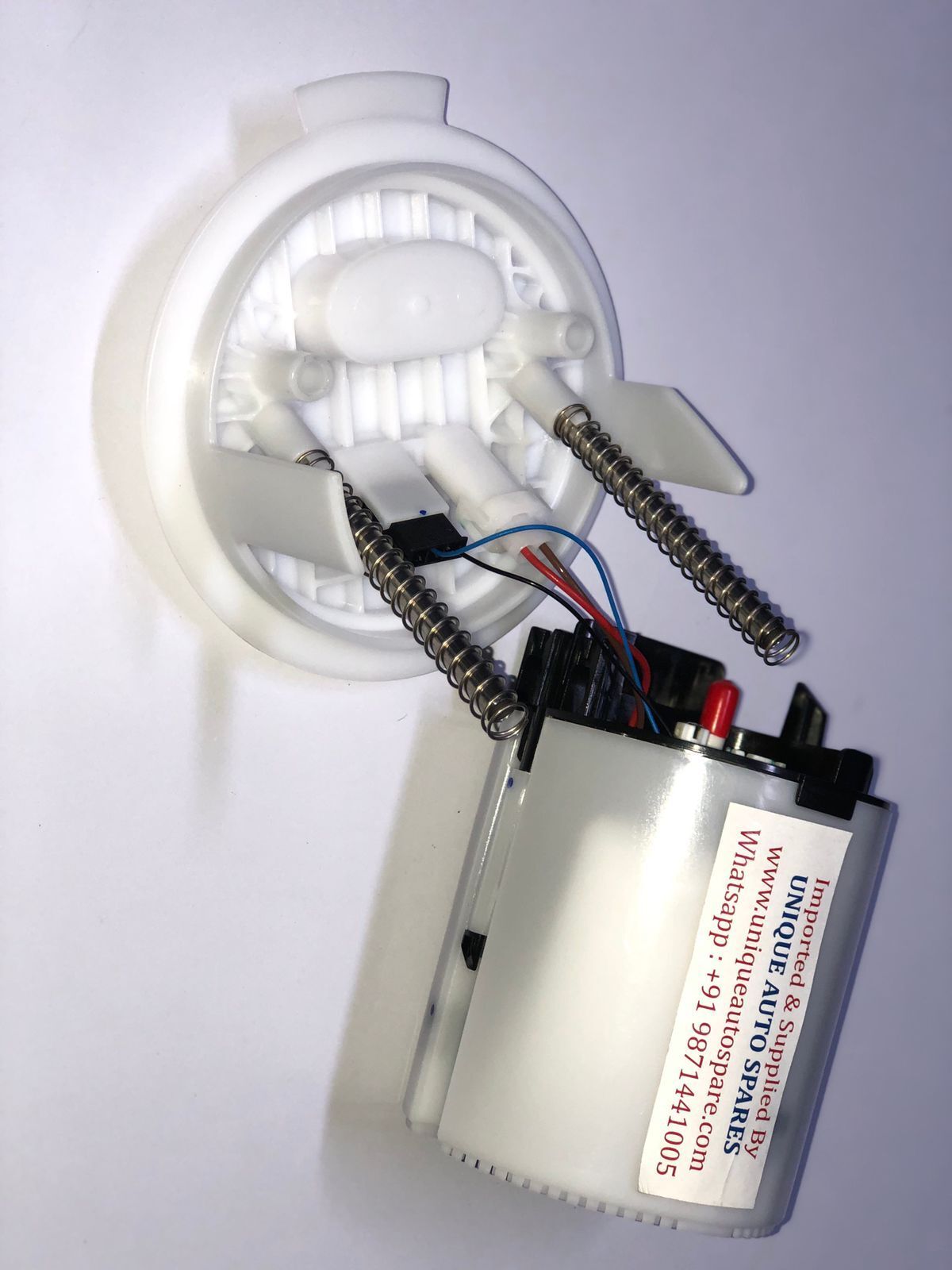

BMW Fuel Pump Specification
- Operating System
- Electric
- Lubrication Type
- Self-lubricated (via fuel)
- Weight
- 1.5 Kilograms (kg)
- Finish
- Smooth & Glossy
- Noise Level
- Low/Standard
- Connecting Type
- Plug and Play Connectors
- Dimension (L*W*H)
- Standard BMW Fitment - Varies by Model
- Size
- OEM Standard Size
- Product Type
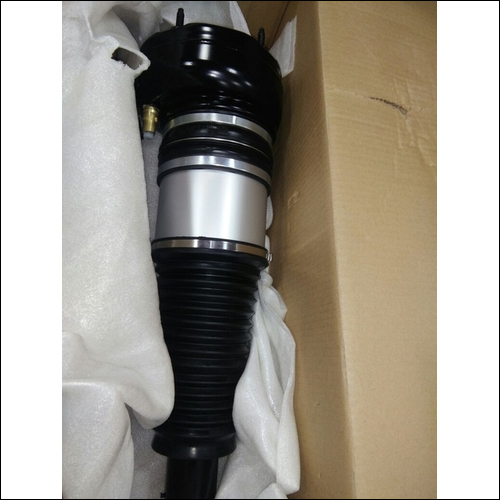
- Audi Q7 Airmatick shocker Balloon
- Temperature Range
- -40C to 80C (estimated)
- Vehicle Type
- Passenger Vehicle (BMW)
- Material
- Plastic and Metal Components
- Load Capacity
- Compatible with standard BMW fuel delivery
- Surface Treatment
- Injection Molded Finish
- Referece No.
- BMW 16117373539
- Color
- White
- Part Type
- Fuel Delivery System Component
- Corrosion Resistant
- Yes
- For Use In
- Car
- Working Life
- 50,000+ km (estimated)
- Method
- Electric Driven
- Model No
- 2012
- Application
- Fuel transfer from tank to engine
- Packaging Type
- Box Packed
- Sealing Type
- Rubber O-ring Not Included (to be installed separately)
- Connector Pins
- 3-pin and 2-pin ports visible
- Compatibility
- BMW 3 Series, 5 Series, X Series (selected models)
- Installation Position
- In-Tank
- Replacement Interval
- Dependent on vehicle mileage and fuel quality
- Voltage
- 12V (Automotive Standard)
- Flow Rate
- Approx. 90-120 LPH (Litres Per Hour)
BMW Fuel Pump Trade Information
- Minimum Order Quantity
- 1 Piece
- FOB Port
- Delhi
- Supply Ability
- 1000 Pieces Per Day
- Delivery Time
- 1 Days
- Sample Available
- No
- Packaging Details
- cardboard box and cover suck
- Main Domestic Market
- All India
About BMW Fuel Pump
BMW Fuel Pump, Audi Car Fuel Pump,Ful Pump, car Fuel Pump,A BMW fuel pump is a crucial component that ensures your vehicle's engine receives the proper amount of fuel at the right pressure. If you're looking to replace or purchase a BMW fuel pump, here are a few key points to consider:Types of BMW Fuel Pumps
- Mechanical Fuel Pumps: Older BMW models might use mechanical fuel pumps, typically driven by the engine itself.
- Electric Fuel Pumps: Modern BMWs generally use electric fuel pumps, which are located inside the fuel tank and are more efficient and reliable.
OEM vs. Aftermarket Fuel Pumps
- OEM (Original Equipment Manufacturer): These are parts made by the manufacturer of the original part installed in your BMW. They ensure perfect fit and function, but can be more expensive.
- Aftermarket: These are made by other manufacturers and can be less expensive. Brands like Bosch, Delphi, and Walbro are known for producing high-quality aftermarket fuel pumps compatible with BMW vehicles.
Where to Buy
- BMW Dealerships: For OEM parts, the dealership is a reliable source. They can provide the exact fuel pump needed for your specific BMW model.
- Online Retailers: Websites like RockAuto, FCP Euro, ECS Tuning, and AutoZone offer a variety of fuel pumps, both OEM and aftermarket.
- Specialized BMW Parts Suppliers: Companies like Turner Motorsport and BimmerWorld specialize in BMW parts, providing options tailored to different BMW models.
Installation
If you're not experienced with car repairs, it's recommended to have the fuel pump installed by a
Dependable Fuel Delivery Performance
This BMW Fuel Pump's design aligns with OEM standards, guaranteeing a seamless fit and optimized flow rate between 90 and 120 LPH. Its self-lubricating, electric-operated system assures low-noise, efficient operation, and robust corrosion resistance, maintaining consistent vehicle performance under various driving conditions.
Easy Plug-and-Play Installation
Featuring standard 3-pin and 2-pin plug-and-play connectors, the installation process is straightforward, typically requiring minimal technical expertise. The pump is crafted for in-tank setup; although the rubber O-ring is not included, it can be sourced and fitted easily to ensure a secure, leak-free connection for BMW models in the specified series.
FAQ's of BMW Fuel Pump:
Q: How is the BMW Fuel Pump installed in the vehicle?
A: The BMW Fuel Pump is designed for in-tank installation and features both 3-pin and 2-pin connectors for easy plug-and-play setup. The process typically involves removing the access panel under the rear seat, disconnecting the old pump, installing the new one with separate rubber O-ring (not included), and reconnecting the electrical ports.Q: What BMW models are compatible with this fuel pump?
A: This fuel pump is compatible with select BMW 3 Series, 5 Series, and X Series models. It is important to check your vehicle's specific requirements and part reference (BMW 16117373539) before purchase to ensure correct fitment.Q: When should I replace my BMW fuel pump?
A: Replacement intervals depend on vehicle mileage and fuel quality. Generally, this pump offers a working life of over 50,000 kilometers. It is advisable to inspect and consider replacement if you experience reduced fuel efficiency, engine misfires, or difficulty starting the car.Q: Where is the fuel pump located in the BMW vehicle?
A: The fuel pump is mounted inside the fuel tank, typically accessible by removing the rear seat or an access panel above the tank area. This location ensures optimal performance and protection from outside contaminants.Q: What is the main benefit of using this in-tank BMW fuel pump?
A: The in-tank design ensures efficient and continuous fuel transfer from the tank to the engine, promoting steady engine performance, reduced noise, and enhanced longevity of the entire fuel delivery system.Q: Is the rubber O-ring included with the pump for sealing?
A: No, the rubber O-ring required for sealing is not included with the pump. It must be purchased and installed separately to ensure proper leakage prevention during installation.- Minimum Order Quantity
- 1 Piece
- Supply Ability
- 1000 Pieces Per Day
- Delivery Time
- 1 Days
- Main Domestic Market
- All India
 Get Latest Price
Tell us about your requirement

Price:
Quantity
Select Unit
- 50
- 100
- 200
- 250
- 500
- 1000+
Additional detail
Mobile number
Email

More Products in Luxury Car Parts Category
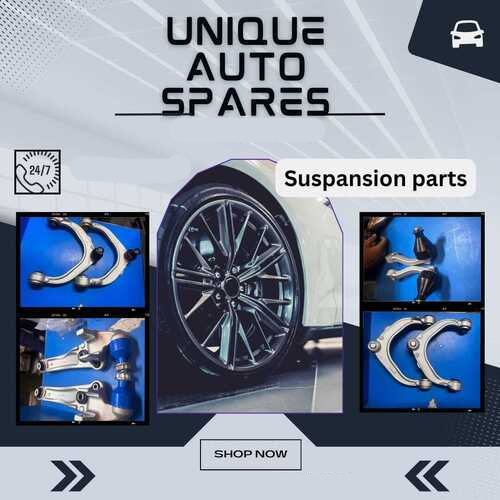
C Class Mercedes Suspension Part
Minimum Order Quantity : 1 Piece
Working Life : Up to 80,000 km
Dimension (L*W*H) : Custom Fit for CClass Chassis, OEM Standard Dimensions
For Use In : C Class Mercedes Vehicles
Color : Black
Weight : Approx. 23 kg per unit

Audi Car Air Filter
Minimum Order Quantity : 1 Piece
Working Life : Up to 10,000 km or 1 year (whichever comes first)
Dimension (L*W*H) : Approx. 32 cm x 20 cm x 4 cm
For Use In : Automobile Industry
Color : Yellow (filter media), Orange (frame)
Weight : Approx. 250350 gm
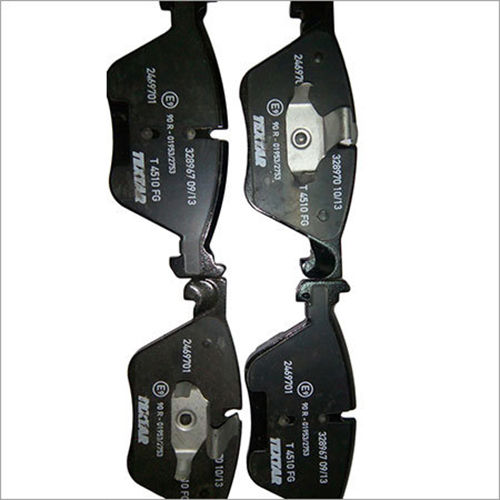
Audi Q7 Brake Pad Set
Minimum Order Quantity : 1 Piece
Working Life : Up to 50,000 km
Dimension (L*W*H) : 165 mm x 65 mm x 18 mm (per pad)
For Use In : Audi Q7
Color : Black
Weight : Approx. 2.5 kg (set)
Suspension Parts
Minimum Order Quantity : 1 Piece
Working Life : 50,000 80,000 km
Dimension (L*W*H) : Approx. 45x13x13 cm (Estimated)
For Use In : Automobile Industry
Color : Black and Silver
Weight : Approx. 37 kg (Varies by model)

Contact Us

- J-99, A R D Complex, R K Puram,New Delhi - 110066, India
- Phone :08045804095

- Mr Khalid Masood (Proprietor)
- Mobile :08045804095
- Send Inquiry
 Send Inquiry


Our Products
- Volvo Car Arm
- Volvo Car Suspansion Arm
- Luxury Car Parts
- BMW Car Parts Dealer
- Audi Car Parts, Audi Spare Parts & Audi Car Accessories
- German Car Parts, German Car Spare Parts & German Parts
- BMW Car Parts, BMW Car Spare Parts and BMW Car Accessories
- Jaguar Car Parts
- Mitsubishi Parts Supplier in Delhi
- Honda Parts
- Land Rover Parts Suppliers - Range Rover Spare Parts
- Range Rover Parts
- Mercedes Car Air Suspension - Airmatic Shocker for Mercedes Benz Cars
- BMW Car Water Pump
- Volvo Car Parts and Volvo Car Spare Parts
- Mercedes Car Parts - Spare Parts for Mercedes - Mercedes Body Parts
- BMW Air Suspension Parts
- Car Airmatic Shocker Suspension
- Car Airmatic Pump & Air Suspension Pump
- Mercedes Car Parts - Spare Parts for Mercedes Benz Car
- Car Radiator Fan
- BMW Genuine Car Parts
- Airmatic Shock Absorbers
- Car Airmatic Shocker Balloons - Air Springs
- Car AC Compressor
- Original Car Parts Suppliers
- Mercedes Car Water Pump
- Car Oil Cooler
- Car ABS Sensor
- Car Fuel Pump - Diesel Pump
- Car Airmatic Valve - Air Suspension Valve Block
- Car Coolant Bottle and Car Water Bottle
- Luxury Car Brake Pad - Brake Disc Pads for Luxury Cars
- Mercedes Part Fuel pump
- Car Air Suspension - Airmatic shocker - Airmatic Shocker Balloon
- Car 12V Battery
- Track Lower Control Arm - Car Lower Arm & Car Upper Arms
- Car Alternator - Car AC Compressor - Car Air Conditioning Parts
- Car Air blower - AC Blower Fan
- Mercedes Car Used Parts
- BMW Used Car Parts
- Audi Q7 Air Suspension - Audi Q7 Engine Parts & Au
- Porsche Car Parts & Porsche Spare Parts Dealer
- Car Shocker
- BMW X1 Front Shoker
- BMW car Shocker
- BMW Car Shocker
- BMW Car shocker
- Mecedes Benz Car Shocker
 Send Inquiry
 Send SMS
 Call Me Free
Developed and Managed by Infocom Network Private Limited.

